
Receiving foreign currencies such as US Dollars (USD), British Pounds (GBP), or Euros (EUR) in Nigeria has become much easier in recent years. In the past, many Nigerians believed that opening a domiciliary account was the only way to receive international payments. While domiciliary accounts are still useful in many situations, they are no longer the only option.
Today, freelancers, remote workers, business owners, students, content creators, exporters, and individuals receiving money from family abroad have access to several alternatives that allow them to receive foreign payments quickly and conveniently. Depending on the payment method, the funds may be converted to Naira automatically or, in some cases, held in foreign currency until you decide what to do with them.
Whether you’re getting paid by an overseas employer, receiving money from clients, collecting affiliate commissions, or accepting international payments for products and services, understanding your options can help you avoid unnecessary fees, delays, and complicated banking processes.
In this guide, we’ll explain how to receive USD, GBP, or EUR in Nigeria without opening a domiciliary account, the best platforms to use, their advantages and disadvantages, and important factors to consider before choosing a payment method.
Can You Receive Foreign Currency Without a Domiciliary Account?
Yes. It is possible to receive foreign currency without a domiciliary account.
Many international payment platforms, remittance services, and fintech companies now allow Nigerians to receive overseas payments directly into their Naira bank accounts or into virtual foreign currency accounts managed through their platforms.
Instead of opening a traditional domiciliary account, you may receive payments through:
- International money transfer services
- Virtual USD, GBP, or EUR accounts
- International payment platforms
- Freelancer payment platforms
- Cross-border fintech services
- Cryptocurrency platforms
- International payroll providers
The best option depends on why you’re receiving the money and where the payment is coming from.
Best Ways to Receive USD, GBP, or EUR Without a Domiciliary Account
Some of the most popular methods include:
- Grey
- Geegpay
- Payoneer
- Wise
- LemFi
- Cleva
- Chipper Cash
- International money transfer services
- Cryptocurrency (USDT, USDC)
- Employer payroll platforms
Let’s look at each option.
1. Grey
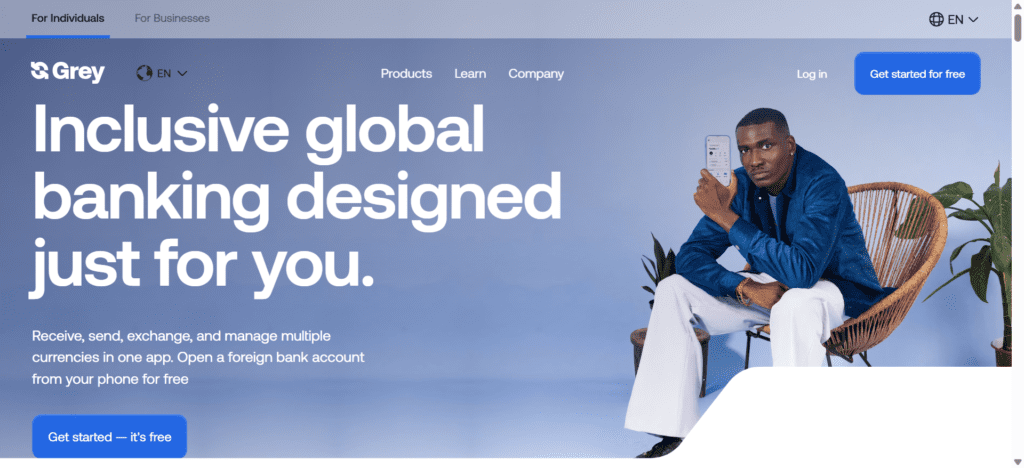
Grey has become one of the most popular platforms for Nigerians who receive international payments.
The platform provides users with virtual foreign bank accounts in currencies such as USD, GBP, and EUR. This means clients, employers, or businesses abroad can pay you as though they were making a local bank transfer in their own country.
After receiving your payment, you can convert the funds into Naira at the prevailing exchange rate and withdraw directly to your Nigerian bank account.
Grey is particularly popular among freelancers, remote workers, software developers, digital marketers, consultants, and online entrepreneurs.
Pros
- Virtual USD, GBP, and EUR accounts
- Fast withdrawals
- Competitive exchange rates
- User-friendly mobile app
- Easy account setup
Cons
- Some services depend on account verification
- Transaction limits may apply
Best For
Freelancers and remote workers receiving overseas payments.
2. Raenest (Formerly Geegpay)
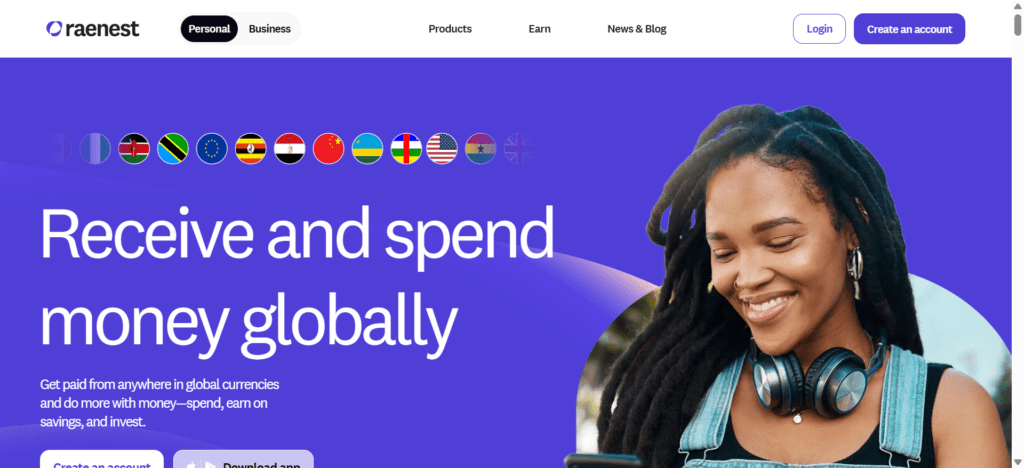
Raenest, formerly known as Geegpay, is one of the best platforms for Nigerians who want to receive international payments without opening a domiciliary account. The platform provides virtual foreign currency accounts, allowing users to receive payments in US Dollars (USD), British Pounds (GBP), and Euros (EUR) from employers, international clients, freelance marketplaces, and businesses worldwide.
After receiving funds, users can easily convert their foreign currency into Naira at competitive exchange rates and withdraw directly to their Nigerian bank accounts. Raenest also offers a seamless onboarding process, making it easy for freelancers, remote workers, digital entrepreneurs, and creators to start receiving global payments within a short time.
In addition to receiving international payments, Raenest offers other financial services such as multi-currency wallets, global payment solutions, and virtual cards, making it a comprehensive platform for cross-border transactions.
Pros
- Virtual USD, GBP, and EUR accounts
- Fast withdrawals to Nigerian bank accounts
- Competitive exchange rates
- Simple account verification process
- User-friendly mobile app and web platform
- Suitable for freelancers, remote workers, and businesses
Cons
- Some features require identity verification
- Certain services may vary depending on your location
Best For
Freelancers, remote workers, content creators, online entrepreneurs, and businesses that regularly receive international payments.
3. Payoneer
Payoneer is one of the world’s largest cross-border payment platforms.
It allows Nigerians to receive payments from companies, online marketplaces, and international clients through virtual receiving accounts.
Many platforms, including freelance marketplaces and e-commerce companies, support Payoneer as a payment option.
Once funds arrive, users can transfer them to their Nigerian bank accounts.
Pros
- Trusted globally
- Multiple receiving accounts
- Marketplace integrations
- Secure platform
- Widely accepted
Cons
- Service fees apply
- Exchange rates vary
Best For
Freelancers and online businesses.
4. Wise
Wise offers virtual multi-currency accounts for eligible users in many countries and is widely recognized for its transparent pricing and competitive exchange rates.
Depending on your eligibility and the services available to Nigerian users, Wise can be useful for receiving international payments and converting them into Naira.
Its biggest advantage is that it uses exchange rates that are close to the real mid-market rate.
Pros
- Transparent pricing
- Excellent exchange rates
- Multi-currency support
- Secure platform
- Trusted globally
Cons
- Some account features may not be available to Nigerian residents
- Services vary by country
Best For
Individuals receiving international business payments where supported.
5. LemFi
LemFi is widely known as a remittance platform, but it also supports international money movement between several countries.
If someone abroad uses LemFi to send money to you, the funds can often be deposited directly into your Nigerian bank account without requiring you to maintain a domiciliary account.
Transfers are typically completed quickly, making it a convenient option for family remittances.
Pros
- Fast transfers
- Easy to use
- Competitive rates
- Secure platform
- Low fees
Cons
- Available only in supported countries
- Not designed for every business payment
Best For
Receiving money from family and friends abroad.
6. Cleva
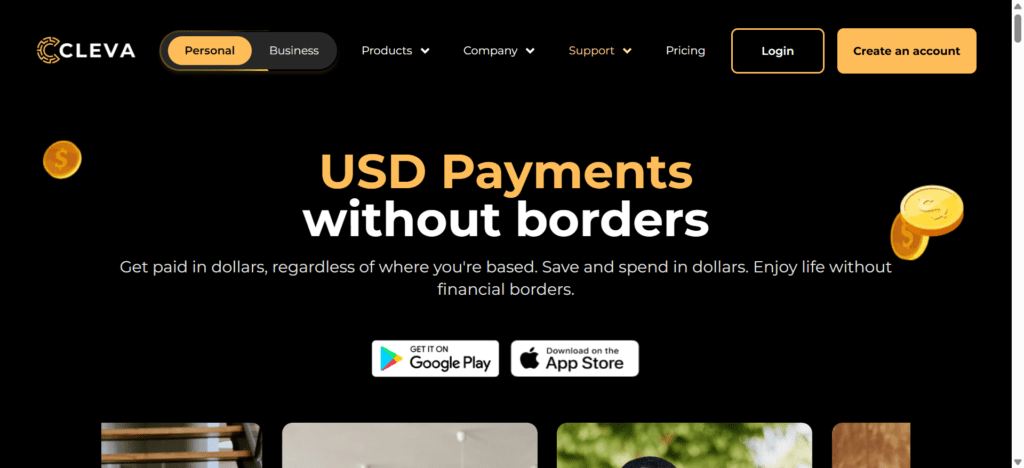
Cleva is a fintech platform designed to help Nigerians receive international payments in US Dollars without needing a domiciliary account.
Users receive a virtual USD account that can be used to accept payments from employers and international clients.
Funds can later be converted into Naira and withdrawn to local bank accounts.
Pros
- Virtual USD account
- Quick withdrawals
- Easy registration
- Competitive rates
- Beginner-friendly
Cons
- Primarily focused on USD
- Feature availability may change over time
Best For
Remote workers and freelancers paid in US Dollars.
7. Chipper Cash
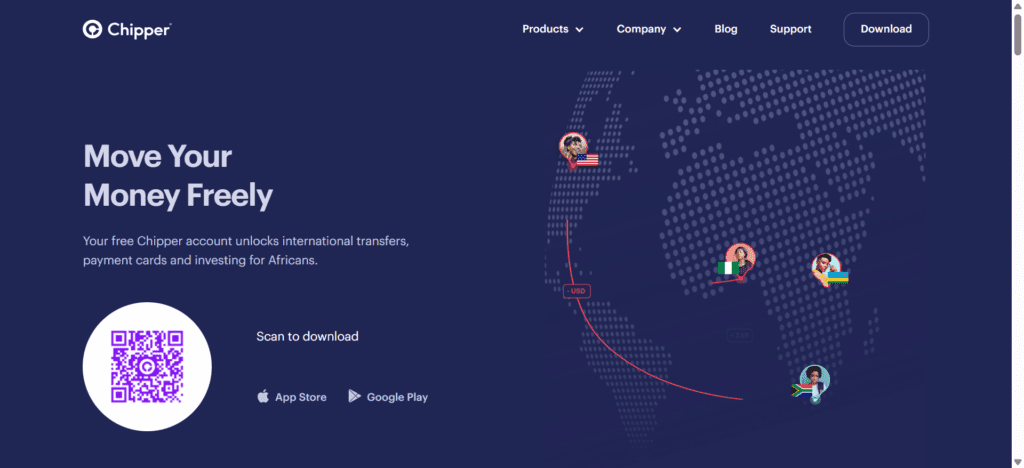
Chipper Cash supports cross-border money transfers in several African countries and offers convenient ways to receive international payments depending on the sender’s country.
Its simple interface and mobile-first approach have made it popular among younger users.
Pros
- Easy-to-use app
- Fast transfers
- Secure platform
- Competitive pricing
- Mobile-friendly
Cons
- Country availability varies
- Not suitable for every international payment
Best For
Personal transfers within supported countries.
8. International Money Transfer Services
Many overseas senders can use services such as:
- WorldRemit
- Remitly
- Sendwave
- Taptap Send
- Western Union
- MoneyGram
These services often allow money to be delivered directly into your Nigerian bank account in Naira without requiring you to own a domiciliary account.
They are commonly used for family support, emergency transfers, and personal remittances.
9. Cryptocurrency
Another increasingly popular option is receiving payments through cryptocurrency, particularly stablecoins like USDT or USDC.
The sender transfers the cryptocurrency to your wallet, after which you can sell it through a reputable Nigerian cryptocurrency exchange and receive Naira in your local bank account.
Stablecoins are often preferred because their value is designed to remain relatively stable compared to cryptocurrencies such as Bitcoin or Ethereum.
However, users should understand wallet security and only use trusted exchanges.
10. International Payroll Platforms
Many global employers use payroll providers such as Deel, Remote, Oyster, or Rippling to pay international employees and contractors.
Depending on the platform, Nigerian workers may receive their salaries directly into their local bank accounts or through integrated payment services without maintaining a domiciliary account.
This option has become increasingly popular as remote work continues to grow.
Factors to Consider Before Choosing a Platform
Before selecting a payment method, compare:
- Exchange rates
- Transaction fees
- Withdrawal fees
- Transfer speed
- Supported currencies
- Security
- Customer support
- Ease of account verification
- Mobile app quality
The cheapest platform is not always the one with the lowest fee. A better exchange rate may result in receiving more money overall.
Tips for Receiving International Payments
- Compare exchange rates before withdrawing funds.
- Verify your account to increase transaction limits.
- Enable two-factor authentication for security.
- Use only reputable payment platforms.
- Avoid sharing sensitive account information.
- Keep records of international payments for tax and business purposes.
- Review fees before accepting payments.
Frequently Asked Questions
Do I need a domiciliary account to receive USD in Nigeria?
No. Several fintech platforms and international payment services allow Nigerians to receive foreign payments without opening a domiciliary account.
Which platform is best for freelancers?
Grey, Geegpay, Payoneer, and Cleva are among the most popular choices for freelancers and remote workers.
Can I receive GBP and EUR without a domiciliary account?
Yes. Some platforms provide virtual GBP and EUR receiving accounts that allow you to accept payments from overseas.
Can I withdraw directly to my Nigerian bank account?
Yes. Most of the platforms listed allow you to convert your foreign currency into Naira and withdraw directly to your local bank account.
Is cryptocurrency a good option?
It can be a fast and cost-effective option, especially when using stablecoins such as USDT or USDC. However, users should understand cryptocurrency risks and only use reputable exchanges.
Which option is the cheapest?
For many freelancers, Grey, Geegpay, and Cleva offer competitive exchange rates and relatively low fees, while international remittance services are often ideal for family transfers.
Conclusion
Receiving USD, GBP, or EUR in Nigeria no longer requires a traditional domiciliary account. Thanks to the growth of fintech companies, virtual foreign accounts, and international payment platforms, Nigerians now have several convenient ways to accept payments from abroad.
For freelancers and remote workers, platforms like Grey, Geegpay, Payoneer, and Cleva provide an easy way to receive international earnings. For personal remittances, services such as LemFi, Sendwave, Remitly, and WorldRemit offer fast and affordable transfers directly to Nigerian bank accounts. If you’re comfortable with digital assets, stablecoins like USDT and USDC can also provide a flexible alternative.
Before choosing a platform, compare fees, exchange rates, withdrawal options, and security features to ensure you receive the maximum value from every international payment.